Eric-Anderson Momou was born in the Ivory Coast in Africa. He lives in the Midwest, and is an alumni of UW-Milwaukee with a BA degree in Literature and Cultural Theory. With an Associate’s of Science from Madison College. His short fiction has appeared in Litro Magazine, and the Yahara Journal. Email @ekmomou@gmail.com for inquiries.
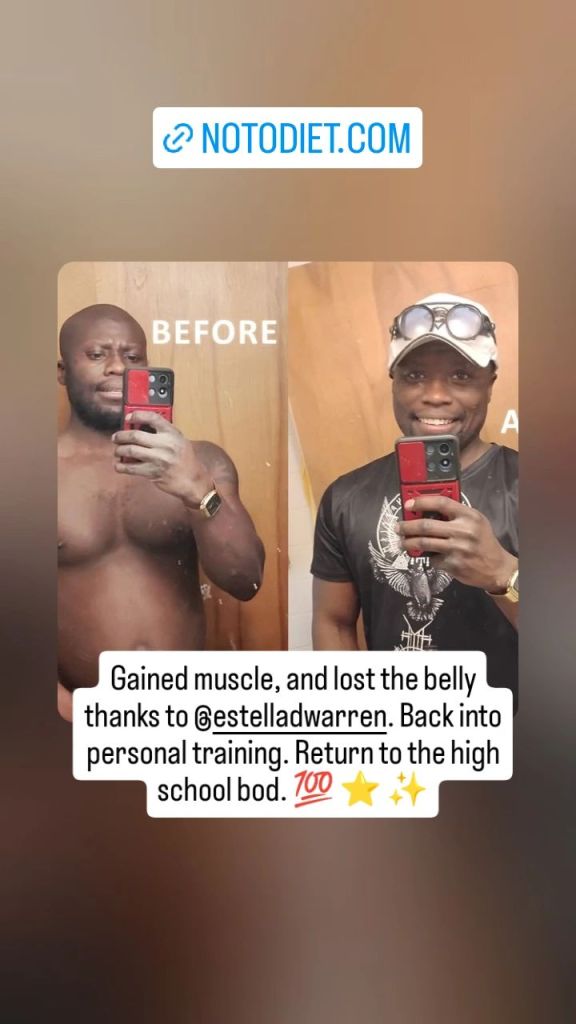
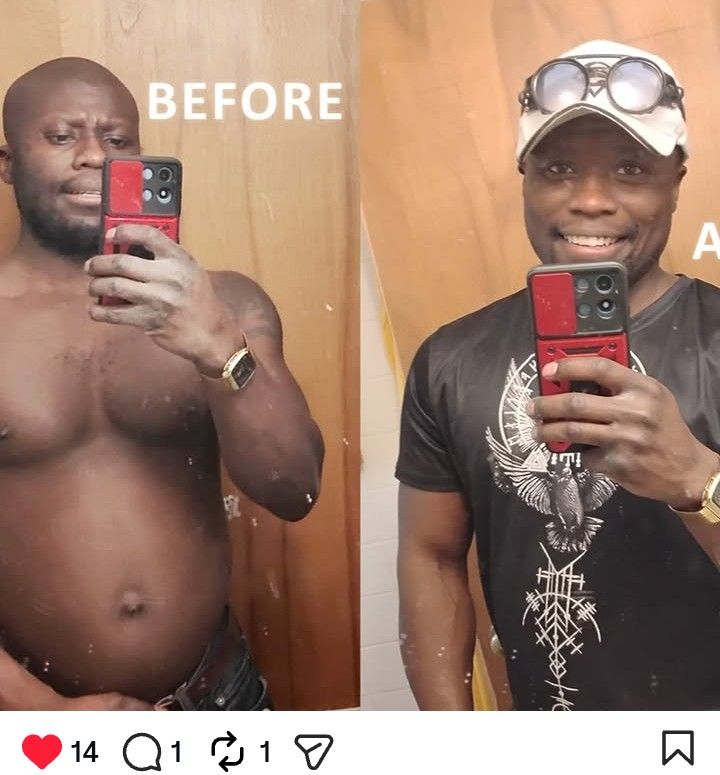
I wanted to include my genuine appreciation, my absolute Respect for you and what you do for others in your program. I had difficulties with taking personal accountability for myself, and blaming others instead of doing my own guided self work. I think more about how you encouraged me to self-start, and do the next best thing for myself. Accountability is my focus.
You gave me inspiration and hope when I needed it the most. I could not be more grateful for you, your NotoDiet program, and time spent in it.
Personally, I thank you for changing my outlook, and life.
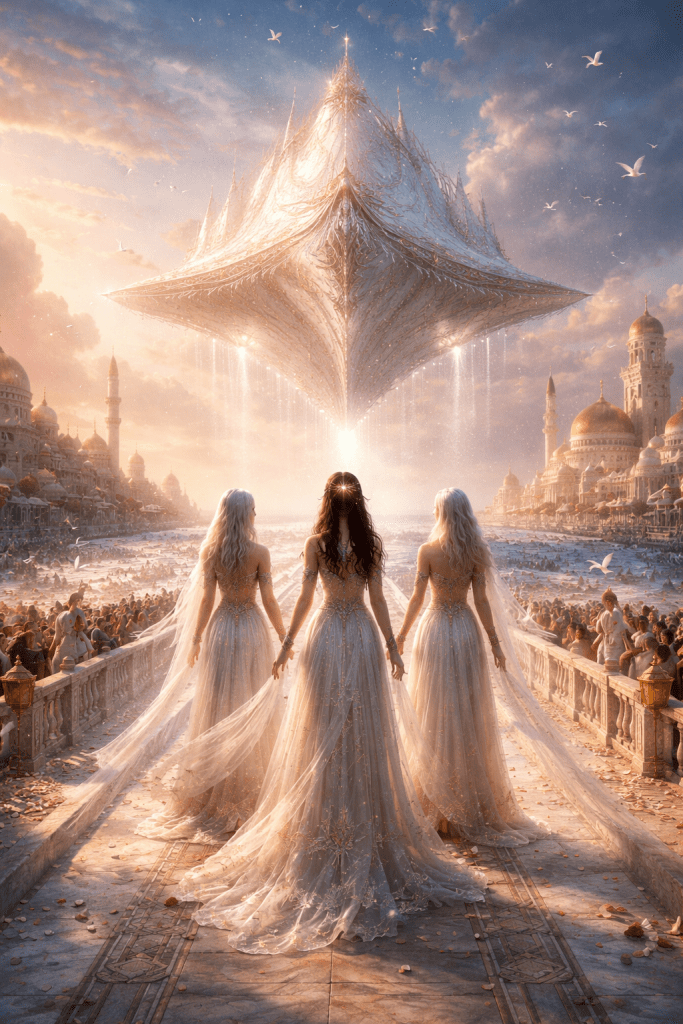
Today we wait for the Ivory Ship. It will dock on the coast, on the pier of Al’ Abyad in Algin.
We will board it.
I will walk along with my Sisters upon the pier, customarily—hand in hand —-towards the sea. Then, we will stand upon the Threshing Pier, for seven days until the Merchant of Silk arrives.
We will enter the Ship, and it will ascend toward the heaven A’bai, for that is the will of Al’ Abyad.
I am Saia, and I long for this day.
Today, our Men attend to Us. They affix lapis lazuli to our dresses. They powder diamond to our feet. Ruby to our foreheads.
We are Three Sisters in all. Bound in Faith by the state of our medical marvels.
We are healers. Sooth-seers. Prophetesses.
Not your mythical healers, who rejuvenate through shamanistic panaceas. No, we can see Spirit and unravel the Malady, as one would a scroll.
We do not dissect. We do not invade. We know.
And with the movement of our minds we eliminate Plague. We are the Seven.
We are bred elite —nigh perfection. Enough to be more than enough.
In the golden dome we stand upon separate dais, in our fathers Hall. Platforms built of gold, all of us standing within the Sky lit hall. Gold leaf wreathes our diadems.
The seamstresses and tailors and the weavers on their looms splay sun-riven strings.
Brought from the womb of earthen sinews.
The people give tithes at the offertory. Our Ladies in waiting dollop our cheeks and foreheads with white rose petals. One by one, the Merchants take their offerings; one by one they petition for us in prayer. Our men caress our feet.
And the citizens of my Father’s city of Al’Abyad come to us for healing.
The merchants come first, then the scribes, and the governors, but lastly it is the artists: the craftsmen, and the inventors. They are the last with Ailment.
The last was a woman, thin and ravaged by age and time hobbled in pain with her cane.
She approaches the Dais.
She is known as a Mother. She unveils her cloak, and drops it on the ground.
Shiva.
She spreads her as four arms out. The hide of the old woman sheathes off.
Four hands spread from her torso. They crest above her head, where a lotus flower manifests.
She closes her eyes, and the petals light aflame.
She lights a fire with her breath in the center of the hall. The cobblestone, and marble melt from the lava that flows from her mouth.
Tongues of flame lick our feet at the bottom of the Dais. None of the Sisters move.
Shiva walks through the flame.
Her long, sharp tongue extends from wide jowls, and sharp teeth. She throws the skin of the old woman into the fire.
We do not move.
“A trial,” Shiva says.
She constructs an altar from the cobblestone, erecting it in front of the Dais. She plucks her sharp teeth from her mouth.
Blood oozes from her gums. Her nails extend from her fingertips, like talons and the razor-like extensions prick out like thorns.
Our silver blood pools at the base of the Dais, on to her altar.
She tastes the blood.
We do not move.
“A worthy sacrifice,” Shiva says.
She speaks to the heaven above the throne room.
“They are worthy!”
Then, in a plume of smoke, she disappears.
*
The Second mother arrives. She wears the livery and armor of millions. Electric, blue sequins line her hips. Girded with a leather belt, there is lightning in her eyes.
“Elera,” Says she.
Athena gazes at my sister.
‘What fate do you choose?”
From her sheath she raises a silver sword gilded in lightning.
“What do you choose? Olympus, or the Ivory Ship?
“I choose,” Elera says, “The Ivory Ship.”
“Very well,” Athena says.
She bears the blade at Elera’s throat. The Blade electric, touches side of her throat. The jugular.
“Again, Elera, what do you choose?” She paused. “Do you choose us? Do you choose war?”
“No,” Elera says. “I choose the Ivory Ship!”
“So be it,” Athena says.
Athena raises her blade. The sword touches the larynx.
The strike is swift. Within the blink of an eye, I see it swipe, as if wrought of light itself. I see the motion in slow motion, the trail of electricity passing.
Then when in contact, the blade shatters: Sprinkling into a myriad of diamond pieces.
Athena looks at the sword.
“You passed,” she says. “You are worthy of Fatehood. Do not disappoint your father.”
She tosses the Blade aside, with nonchalance and rejoins her legion on the other side of the Pantheon.
The portal closes.
It is now my turn. I can only think of the Ivory Ship.
I close my eyes, and imagine.
What more can I say of it, besides the lore that surrounds it?
What I can say, is that the Ivory ship does not come to Algin often.
For one it is pearl-white ship: the last of the missionary starships that have left from Algin.
A vessel untarnished by weathering, none know of the Builders – except the Last.
I await my test.
For a moment there is a pause. We do not see what is to be but the greatness of my father’s hall.
A cat prances in the corner of my eye. Then a second. More cats coalesce about my vision.
Then the grass of open pasture bloomed from outside of my periphery. Fields of gold, the likes of which I had never seen erupted in spectra.
Suns and moons rose, vallies dipped and gullied; light waxed and waned. Arrays, and matrices speckled and spiraled.
I saw my mother, Freya then. Her porcelain face amidst a reddened mane of hair. Lithe legs prancing amongst bunnies, and daffodils, and lilacs.
First will come the coronation, said she. The shadow of a man followed her.
She collected a wreath of flowers. The stems she carefully tied into a crown.
This she placed upon my head.
I shuttered.
He awaits you, my Mother says.
A man: tall, broad, bearded and handsome walks towards me. He wears the markings of a war hero: hide of bear, scars of scythes, brandings of fire.
His hair is read.
Cuchulain.
It is time to meet him, my Mother says.
I look down and see I am dressed in a white dress.
As The Greater Luminary descends on the Plains, my heart sinks with it.
I do not eat the offerings, I do not offer any more blessings. The Oracle descends down from the steps, On High, and passes Us —inspects Us.
“Stand tall,” he says to me.
“Smile. You are a child of Al’ Abyad. You were bought at a High price.”
He smiles.
“I will make you my wife.”
He utters the same words to my Sisters.
Then, I see my sisters taken in by one of the Courtiers. The First descending from Her dais. The Second taken into his dwelling, a harem beset with gold, and lapis lazuli.
But I know it is all, but Illusion.
This is an illusion, I say. A farce!
Then my sisters are sacrificed one by one. They lie upon Odin’s statue.
Their silver blood flows pours from the lips of the statue.
The brazen image gazes foremost, hauntingly.
It catches in the receptories first, conduces down the bronze tubes into the vats below the palace, where the People may drink our blood to restore themselves.
With a chalice Our Father captures the last trickle of torrent from the lips of the Venusian statue.
I see my father. He is built of Time.
He drinks the “water,” and before my eyes his countenance changes. His complexion reddens, his flesh smoothens. The frost of white from his cataracts disappears, and he resumes his full stature.
He is now a young man.
Sunset rosy with a ship that comes once a century on the Day of Michael of the Seventh Lunar Year.
The children will be sacrificed in your Honour.
They will kill us, as sacrifice.
No, I say.
The proprietors must make sure that the Kindred, being the ones in royal matrimony are in utmost form for this train housing the Faerie.
A woman must leave her family in forsaking this charge of not desiring to be a Christened Goddess.
In so doing she allows herself to wear thin and wan – until the sunset of the trains arrival.
She does not venture out, even to see the sunlight on the plain of Mur, where stand the threshing grounds
It takes her away to the land of Faerie
Upon the endless plain, the Children of Ishtar stand.
Today I was selected for the Threshing. is the Festival of our patron goddess Ishtar.
I am the President’s daughter. And I was the first selected for sacrifice.
My attendants dapper me with
My people, the Kin of the north prepare for the coming of the vessel that will take them
One day it will take Us all away, to the land of the Knowing.
But that time is not now.
Premise the preponderance for violence in us all.
We afix diadems to Her crown, loop the golden ringlets about her ears, and smear blood to her lips.
The blood is our own, from all us who attend to Her – the Goddess Incarnate, the Golden Image of Ishtar.
The girl—for she is just sixteen—who stands upon the dais, gazes foremost
We desire her to be as our Oenultimate, the standard of our people. From the deeply hearted wish of every man comes forth the Deity.
She is beautiful – the Woman with Gold Skin. She is adorned.
There are several of us who envy her beauty. There are several of us who wish to kill her, but that is not for the Men to decide.
Soon it will happen, this killing but we know not which will do it.
There is a preponderance for violence is within us all beneath the surface. It lies strongest within the seemingly meekest of men – that Our pride is hidden in amongst the most humble.
Amass the groupthinknof society and assimilate it in a more tangible form determinant upon race creed or socio-economic splendor.
But the illusion fades. It disdopates into mist, and my mother’s face turns cold.
No I say. I do not want it. I await boarding the Ivory Ship.
The majesty of the wedding disappears, and my father smiles before he disappears
Cuchulain falls to his knees. He is bound by ropes and fetters. He looks at me with malace.
You. You are the daughters of the Fates.
My mother Freya decomposes. Her dust returning to the plains and pastures. Back again, back again to the soil, and north of the orchids.
That is the final test.
On the crescent of the horizon, I see the whitest of ship sail in the sky. It gleams on the starboard side of silver, and elder etchings. It is not manned, but rather – like the Flying Dutchman – carrens her golden sails in the wind.
It stops at port in Algin.
And then, us Fates, three sisters board the Ivory Ship.
The growth of mangos heralds the end of the Ivorian rainy season. As the fruitage buds, it is a call to action for the villagers. Awake, they rouse each other from their slumber and rejoice for the new season. Men enter talks of crop and business. Between swallows of palm nut stew and mashed plantains, they chastise their children, who run barefoot. Women wear boubous, and fashion their linens in a back sling, to carry their infants. Under porticos they plant okra and cassava. After it has been laid out to dry, they grind it with mortar and pestle, milling out the impurities so that they might cook for the men. Among the denizens of the village are the sagacious griots. Slowly, the villagers forget their tales. There were many, but they dwindle now, as do their orators.
I’d met one such man, whom the villagers called Zulan.
Zulan told stories. He recited lessons verbatim, the way his father told him, and he taught them truthfully. Last year, a band of surveyors for the annual census congregated around him in his brick house. Though the visitors listened to the interpreter, their eyes watched Zulan. Even beyond the language barrier of his native Baule, he could see that his words had touched them.
The satisfaction this brought him, almost erased his worry. His mind fixated on the gossip that spread to the surrounding villages. That year, Zulan’s wife divorced him and his in-laws fought for assets and money. His daughter had flown to Europe, studying journalism, and she called sparingly.
Meanwhile talk grew restless. He heard the slander in the marketplace, or on the road as he walked to the mosque. He even heard it in hushed undertones from his neighbors. As much as he hated the rumors, he understood why they were spoken, for he was the last griot.
Finally, he addressed his contemporaries. This is what he told them:
“I’m going to take a trip. I don’t know when I’ll be back. Come along if you’d like.”
His ex-wife declined. She called him crazy. His daughter refused also. Some of his longtime childhood friends–the ones he played pilolo with– pitied him, citing that he’d acquired an early bought of senility. But Zulan was nearly fifty, and alzheimers, though it was hereditary, had not yet set in.
“Then I’ll go by myself,” Zulan said.
“And where will you go to, fool?” said his ex-wife.
To this Zulan had little response, but a long winded sigh. “To Mali,” he said, “To see the Niger.”
He had planned for three weeks, setting up the necessary accommodations. He sold cassava to fund his expedition. He also sold hibiscus tea, and many of his own personal articles of clothing, including several wooden, animist idols.
This was his year, and he’d make the most of it. Once, he wanted to visit America, and hike through the Adirondacks. He’d read about the cricket team in the West Indies, and dreamt of competing there as a young man. Now, rumination had sent him on a separate path; not an ascension to another continent but to Mali where he was born.
He started his journey in Abidjan. For a couple francs, the double decker bus ran through the rural townships of Yamoussoukro. By foot, He descended across the border into Mali. He ate fish and attieke from his pack, and rationed some so that he could sell the rest on the road. He walked further north still into Bamako. There the Niger river ran ruddy and black like the entrails of some animal.
Zulan trudged through the plain. Dust skimmed the sun-cracked earth, and the glare of sun reflected off the sheen, like a prism. Stony cliffs outlined the western slopes, such that broad shadows beckoned him. At the foothills, the city of Bamako reserved its prisonon, a rite of passage. The city clutched the waking life, and made the green world a facsimile: an unnatural one. He had no intent of visiting it.
Despite his fatigue h e wouldn’t die of exhaustion, or the heat. He knew that his power was not his own.
*
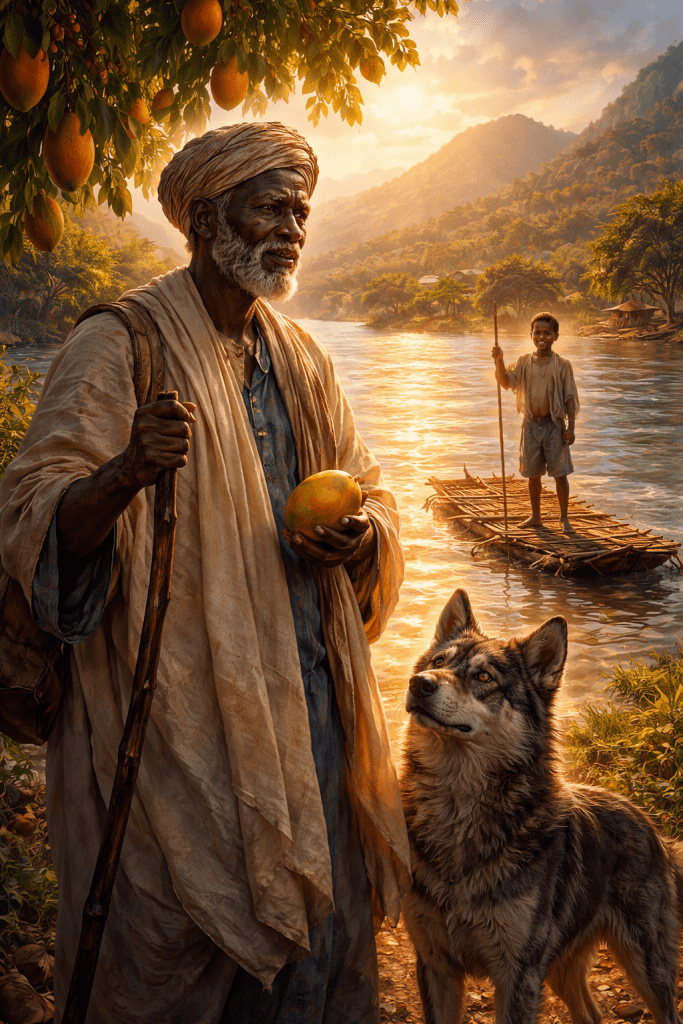
Zulan found the dog in a sewer at the edge of the city. Its paw had been cinched between the concrete rubble and rivets. Mange accumulated under its fur, and its muzzle swelled.
“Stay there.” He told the dog. The dog whimpered, but it showed no sign of agitation. Zulan wedged his hand in the crack of the crag, and dislodged the debri. Then the dog’s paw came out.
“Now you’re free. Go.” But the dog stayed. Whether it was out of predatory instinct or stubbornness, he did not know.
He’d named the dog Whisky, after an old habit. Whiskey was a hybrid: the result of a husky and some undomesticated wild dog. He’d heard of those tame foxes; the silver ones sold from out of Russian genetics institutes. Long ago, he bred dogs for a living, but among all the thoroughbreds he’d never observed a wild dog even half as tame.
For all he was worth, the dog kept following him. He trotted a few paces behind, its tongue lapping the humid air, saliva drizzling onto the arid sand. It would not leave his side. At noon, when Zulan stopped to rest under the shade of a baobab the dog did also.
“A loyal companion, yes” said the man to the dog. “Go now. See that your hunt is good.” The dog seemed to perceive his intent in this, and drew his long tongue into his mouth. It cocked its head thoughtfully, then trotted off.
Zulan rested. He dreamt of many things, though he did not recall them upon awakening. When he rose, the night was brisk again and the stars shone upon their heavenly dais. The plain croaked with life. It teemed now, as it did when he was a boy–before the land development and the plotters. Now he felt the whisk of wind. He could grasp the seedheads of wild grass. This ebb and flow, Zulan liked.
Later in the night, the dog returned. In its jaws was a pheasant. He dropped the game at his feet, and fell asleep.
At dawn, Zulan woke, but the dog was gone.That’s when he saw the place of his birth, in full sunlight. Dappled flecks of gold floated upon the Niger. He stoked a fire to cook the pheasant that the dog had left for him; he seasoned it with mustard from the field.. By midday he had reached the bank. That was where he met the boy. He weaved baobab bark, and palm leaves into a sort of dirigible. It was bound by strips cut from leather, and hemp. Quart water jugs floated like buoys on either side of it, giving the construct buoyancy.
“Boy,” he called. “What is your name?”
The boy arranged the sticks, parallel to each other like yarn strung from a loom. Then, he snapped them one after the other, and tossed them into the river. Still, the boy did not respond, and this goaded him.
“Who taught you? When an elder speaks, you respond.”
“Stick. That is my name.”
“I am Zulan. I am a foreigner in your land.”
“So you ask for hospitality?” The boy grinned.
“Yes.”
“I have no house. I nap under the shade of baobabs. For food, I fish when there are any.”
“If you have nothing to offer, then I’ll bid you luck.”
“That is all I’ll need.”
“I have another request,” said Zulan. He bridled his tongue.
“And what is that?” said the boy.
“To ride in your boat so that I may cross the river.”
This confounded the boy, and he shook his head. “This side is the same as that one,” said the boy, “There is no difference.”
“This does not convince me. Please, grant me this request.”
“And do you have payment?”
This angered the elder. He had only twenty francs, and the hibiscus waned. “I don’t.”
The boy crossed his arms. “Then I cannot do you the service.”
At this Zulan stood dumbfoundedly on the bank. He had nothing, but himself to give.
“And if I tell you a story?” said Zulan.
“I do not listen to the ravings of old men,” the boy said. He threw another stick into the water.
“Today you will.” Zulan told the boy. He recounted how he’d ridden on the bus from Ivory Coast, and peddled, and walked a cramped roadway. He spoke about his wife, and the surveyors. He spoke of the murmurers, and his decision in coming here.
“The village of my birth is across the river.”
“The story is good, but I will still charge you a discounted toll.”
The boy took silver franc coins, from his pouch, and touched them to Zulan’s lips. He placed them under his tongue.
“Now you must pay the ultimate price,” said the boy. He grinned like a fiend, and the old man did not like it.
“And what may that be?”
“Your soul.”
“There. You have paid the fare. Now you may enter my boat.”
Along the shore, the riptide lulled them. He rowed the oar more vigorously now. But, before Zulan could complain, it shook them viciously. Meanwhile, the boy kept his balance like a gondolier.
A whirlpool swirled. To Zulan’s surprise Stick maneuvered the boat into it. The boat capsized, and he plunged in. Between gasps of air, Zulan saw the boy, standing on the water.
Underwater, he lost track of his belongings. He spat out the francs the boy had placed in his mouth. All about him the water of the Niger grew murkier. He saw light struggling through a pitch expanse, and felt the clutch of seaweed at his ankles.
At the surface, hippos sunbathed on the shore, gaping their mouths, yawning. A snake writhed in the reeds.
Then the water stilled. He heard nothing, and saw nothing. Zulan heard a voice. It was the boy’s. The language was Baule.
He found the boy on the opposite shore, waiting.
“I have seen all there is to see, and it is a great sight. But I really must go back home.”
“For what, old man?” said the boy. “You told me of your plight, and it is foolish to return back upon your path. What lies ahead of you is greater than what came. Before”
“Not there. Where I was born.”
“Why do you want to go back to the place of your birth?”
Zulan thought about this. He longed to taste the fried plantains of his youth, and climb the mango trees again. He wished to tread the same fertile ground that his father had as he herded livestock, and to hear the call of the muezzin in the courtyard.
“Because it is where I am from and that is where I am going.”
The storyteller waded through the water. He heard the shrill cries of crickets, and the whip of wind in his ears. He witnessed the houses, made of sod and mud brick and cinder block.
He found the boy standing alongside a mango tree. Then he smiled.
This is what the boy told him:
“I am the dog, and the wife, and the mango groves. I am Stick. But above all else I am the Niger; the place of your birth. What the river takes, it deposits into the Sea. You have lived beyond it, so that you may tell your story to those who continue living.”
This, the storyteller hadn’t known, but he smiled for the thought was comforting.
Zulan plucked the ripest fruit from the lowest branch, a mango. He bit into the soft rind, into the flesh of it, and the juice dripped down his chin.
His wrinkled skin receded, and his stature grew. Zulan became young again.
The dog loped at his side.
*
Zulan woke amidst his friends, in the arms of his wife. When Zulan told me his story he grinned. He told his friends what had happened, but they all laughed.
“They told me they were such foolish tales,” Zulan told me. “ I agreed with them–that the story was pure dribble, and the result of malaria fever. ”
“But secretly,” Zulan said, “I believe in such a wondrous place, and I think that I shall return.”
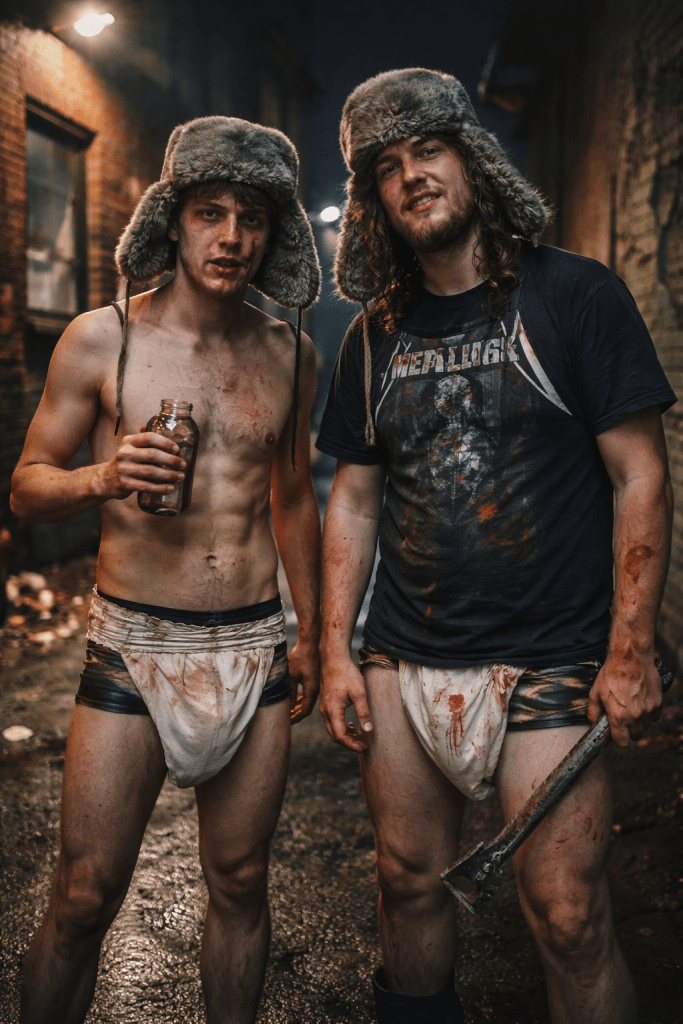
Do you remember the night we met off Brady Street? I was passed out on someone’s lawn, wearing a loincloth and a ushanka. The temperature was thirty, I think —and it was in the middle of November.
This was before the AA meetings.
If you’ve repressed the memory, I apologize for reminding you, but as a part of the Program, I’m supposed to write people letters. I suppose this is a way to apologize, and say thank you for helping me walk home that night. You were the first person I thought of who I owed an explanation to.
I was grateful for the warmth of the ushanka that night. As for the loincloth— that was part of the hazing. I’ll get to that. I don’t remember where I’d gotten it from.
Anyway, this is what happened. It’s a cringeworthy tale, but worth telling.
*
We were instructed to meet at the parking lot at noon off Fordem Avenue, in the alleyway behind the Pizza Joint. Cooper and I had been given the notifications in person, from a Scout, like some good old fashioned rumble.
The Omega Alphas had been inducting us two by two. As the Main Man put it, they were keeping us “ripe and fit as masculine specimens for biological, and dogmatic reproduction.”
Adonis Completis. Whatever that means.
I’d never been in a street fight, less any kind of hustle before, and the nerves were getting to me. I’d been dubbed the Ferret in high school, and my gaunt physique showed it.
I’d been instructed to wear a loincloth, and a ushanka — or else— by the Head Honcho, and I did it, because I was scared, Kate.
To atone for this fear, Cooper and I’d studied up on basic Krav Maga, and watched Rhonda Rousey (for Judo lessons). We watched the World of WWE for all of Macho Man’s stints, and fashioned our own renditions of finishing moves. The moves were difficult to replicate, but we managed to learn a couple choke holds from Rick Flair, and some dropkicks from The Karate Kid. As an added boost, I’d brought a flask of Cooper’s homemade, grape juice-moonshine.
The Omega Alphas had been hazing us, pitting us freshman against each other for a while, until Cooper spoke up. But that didn’t stop the threats. In fact, it exacerbated them. We just flared hotter on their radar, as two punk stoners deserving of exemplary treatment.
“How do you beat a bully?” Cooper looked over at me from the sidewalk. His greasy, shoulder-length hair flowed violently in the autumnal draft. In his oversized Metallica shirt, he looked like Kirk Hammet’s obese cousin. The biker gang reject.
Cooper adjusted his bifocals.
“I really don’t know,” I said. I never thought I’d ever meet any in college.
“By meeting him on his own turf. That’s how.” He led until we reached the alleyway, then he stopped, and sniffed the air.
“How are you feeling, Theo?”
“Queasy,” I said.
“Ya. Me too. We are about to get messed up, man. But don’t let that scare you. They’ll smell that fear. Stay strong, brother.” We weren’t brothers of course —roommates, actually —but the friendly sentiment did well to suspend my carnal fear.
Just then, two guys popped out from behind the rear door of the Pizza Joint restaurant. Two more came from behind the dumpsters.
I pulled down the ears of my lucky trapper hat, the ushanka, and rolled up the sleeves of my plaid sweater.
“I’m just gonna slaughter ‘em,” Cooper said. “Pound them into oblivion if I can help it.”
“Two against four?” I choked. “In what universe was this even remotely fair?”
“Nope, we’ve got five.” The Main Man — that was the name he chose for himself— led them all. He looked like some well-to-do felon, who wore a black dress shirt and aviator glasses. He was stout: a full foot under Cooper’s six. He took off his cap.The shaved, oiled white head shined in the sunlight, and the glare almost blinded us.
Douche Supreme, Cooper called him.
“Might as well consider it slaughter.”
“I wish we didn’t have to.” I said
“Aggress or egress. That’s the name of the game, brother.
“Avante garde!” He cried. “Bring it on, bitch,” Cooper said. He poured the grape-juice moonshine on the ground, as a libation.
Damnit.
“Call me, Darryl,” said the Main Man. He stepped over a concrete parking chock with ease. His black, well oiled pointy shoes gleamed in the afternoon light.
“Boys. Take it easy. I don’t want to scuff these here Winklepickers.” The Main Man smiled. He snapped his fingers, and the posse encircled us. I searched the mob. At no point, or angle were we without eyes. His boys were like Kim Jung Un’s security team, always searching —looking for structural insufficiencies.
They crept slowly forward as the Main Man encircled us, like a scene from a Scorsese flic.
“Come on guys. We don’t mean you no harm. Honest.” Darryl said. He extended his arms, almost platonically. Almost endearingly.
“We don’t want your hugs,” Cooper said. “Why don’t you tell us the real reason you invited us to this brawl. Tell us this all about proving your ego. This is a dick contest ain’t it?”
I wanted to tell Cooper to shut the hell up. I wanted to tell him that the world of the Omega Alphas was all a goddamn, solid sham and that the shame of all it was upon us. I wanted to yell and hit and spit all over the establishment that represented the Omega Alphas, but despite every one of my inner denunciations I couldn’t muster the voice, couldn’t muster the inclination. I was one of those people, whose anger took a long time to rear its head, but when it did, I was a force of nature. And it was this cyclone, that even Cooper feared.
“No,” Darryl said, “It’s not a dick contest.” He walked forward. “We’re not trying to ruffle you up.”
He pulled a crowbar from the rear pocket of his cardigan pants, and lifted it to Cooper’s face. “We’re just going to teach ya.”
He shrugged his shoulders. Cooper spat.
Darryl walked over to me. He slapped the flappy ears of my trapper hat.
“Hey there, Weasel. Good job for wearing proper attire.”
“You shouldn’t have touched his ushanka.”Darryl paced back to Cooper.
“His what now?”
I almost pissed myself.
“I said, you shouldn’t have—“
The crowbar swung and I heard the crack. Cooper’s glasses fell off his face, tumbled to the pavement. He didn’t dare pick it up.
“His ushanka?” Cooper’s words trailed slowly out, like a squeaky toy.
“And what the hell is a ushanka?”
“I’m not gonna explain that.”
“Fair,” Darryl said, pacing. “Fair.”
“Anyway,” he continued, “We just want to heighten the pace of natural selection. See who’s fittest to join our club. Our Frat Tribe. The Omega Alphas.” The Main Man tossed the crowbar in the air, and caught it.
Cooper flinched.
“So, then are you a pussy, or a Centurion?” The Main Man asked. He raised the crowbar.
“C-Centurion,” Cooper said. The Omega’s laughed.
“H-Hiyah!” I stammered. The words exited far sooner than I’d meant to, inspirited in part by the moonshine, and my own fight response. I moved slowly into a ninja stance.
The awkward silence came.
Darryl looked at me long and hard at me, until my own reflection in his glasses made me feel uneasy. He grinned.
“Now this guy,” said Darryl the Main Man, “Is a real Centurion. He’ll get feral if you let him. Isn’t that right, Flappy?”
I didn’t say a thing.
“Your Animal man here doesn’t know how to answer a question, Coop,” said the Main Man.
Darry sized me up. “All fight. No brawn.”
“Isn’t that right?” He struck the ear of my ushanka. “Goof!”
I don’t remember slapping Darryl. I remember my hand moving of its own accord, and his buggy aviators flying off his fat face. When I bopped him, the fight began.
Ding!
The rest of the Omega’s swarmed.
To Valhalla.
I took a swing at the first guy.
He punched me first.
I tried drop kicking.
It failed, and I crumbled.
“Ow, goddamn it.”
I staggered back, bracing myself against a bike rack. I felt like a boxer getting slammed up against the ropes. Then the other guys, the Cavalry, swamped Cooper and the best I could do was to try and pry each of them off from him. Each henchmen served a purpose I thought. Like Igor from Young Frankenstein. If I could get them to re-calibrate their Hive mind, maybe they’d let him live.
I tried drop-kicking the final one, but that too failed.
Cooper swung at one of the Fantastic Four. Then at me. But I ducked.
Then, Cooper and another guy accidentally punched each other at the same time. With a glorious spurt of blood, they both collapsed, to the ground.
When they came to, Cooper’s nose was a mess — smushed upon itself like some deflated, balloon — mushed like a raspberry, with snot and juice spilling out all over onto the pavement. He spat out a tooth.
He crawled on all fours, looking for his shattered glasses.
The other guy was knocked the fuck out.
“Theo.” Cooper reached a hand out.
I saw him from behind the bike rack, as I, myself, was getting pummeled. The least I could do was sequester myself from the blows of the big guys, in a tuck and roll fashion that felt instinctual.
Then, when the bastards got the best of him, he crumpled onto the ground again, knees to his chest.
We’d done good thus far, taking two out of the five. But it wasn’t enough. The Omega Alpha’s were gaining territory, again.
“Now, it’s time, Son.” Darryl shoved a spur in my side. “We’ll call it the coup de grace.” He cocked his head, and beckoned towards Cooper.
“Come on over here, Judas!”
Cooper could hardly stand.
“Lift him up then,” Darryl said, and his two remnant henchmen put Cooper on his two feet. “You called yourself a Centurion did you?”
Darryl lifted his crowbar.
“Well if you’re a real Centurion, you’d uphold that honor, soldier.”
“Sorry, Theo.”
With a slam, Darryl hit Cooper’s ribcage. I heard a crack.
It was his ribs, and his glasses.
“Oops,” Darryl said. “Looks like I stumbled on your glasses, Mink.”
“I’ll be needing myself a new pair.”
Darryl rolled up his sleeves. I heard a snap, as he struck Darryl again in the ribcage.
“It’s time to prove yourself, boy.”
He handed Cooper the crowbar. “Coup de grace,” he said.
Cooper leaned in and whispered. “It won’t hurt. We’ll pull a finisher. Just like on WWE.”
Cooper raised the crowbar. He swung at Darryl.
“I’m Rick Flair, bitch.”
In what I can describe as a jolt of punkish adrenaline, Cooper tackled Darryl. And finally my drop-kick hit more than air. I still got punched, but I held my ground.
I looked over at Cooper. He kept punching. I swear he hit concrete a couple of times. But that didn’t phase Cooper, much. Darryl looked off than Cooper was.
“Toxic Masculinis! Vulgaris. Stupid frat.”
Darryl was out cold. His band of Igors fled the Coop.
Then with a “This is Sparta” reference, I calmed him down.
“Hey, Jude. You can stop now.”
Darryl was out for the count.
“We won.”
He took the crowbar and threw it over the rooftop of the Pizza Joint. I heard a clang, and then shattered glass.
We hobbled from off of Fordem Avenue, away from the alleyway. We’d popped ourselves a few cold ones, because the nerds had won.
*
Anyway, hun that’s how I met you. We’d finished the rumble, and after we each took a swig from the flask of grape-juice moonshine, I don’t much remember what happened after that. But I do remember meeting you.
I was on my back sleeping on someone’s lawn. The time was 2 a.m.
You kicked me in between the ribs. It wasn’t a hard kick.




 The Nebuchadnezzar magazine